






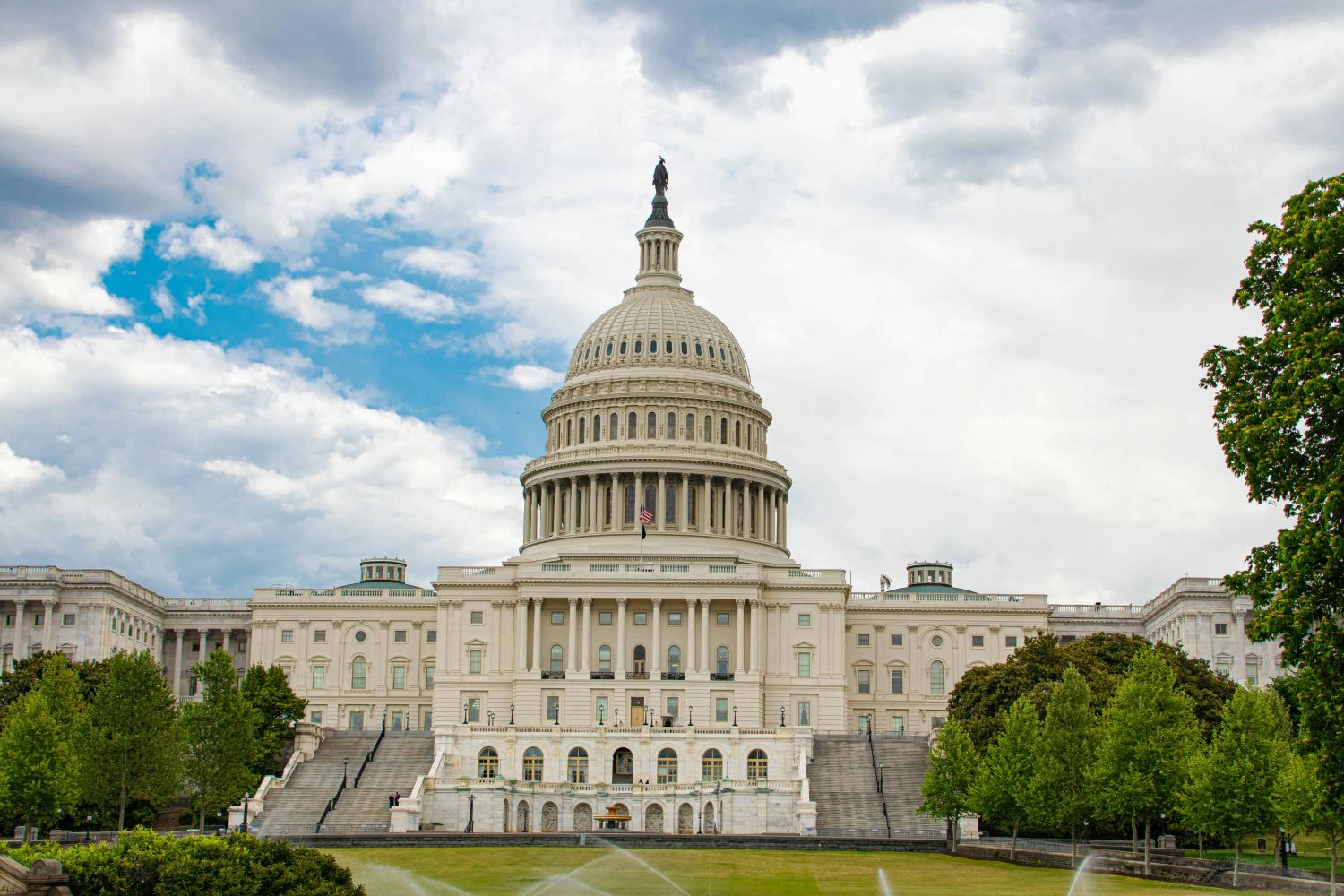
On February 24, 2026, President Donald Trump delivered the first State of the Union address of his second term. While the speech does not directly change landlord laws, it outlines national priorities that can influence housing policy, tax legislation, immigration enforcement, trade policy, and economic direction.
For rental property owners, these policy signals matter. Rental demand, property values, renovation costs, and financing conditions are all shaped by broader federal priorities.
Below is a breakdown of what was emphasized in the 2026 State of the Union and the potential implications for rental property investors.
Housing Affordability & Homeownership Initiatives
Housing affordability was a central theme in the address. The administration highlighted efforts to lower mortgage costs and increase access to homeownership. Officials pointed to declines in annual mortgage costs compared to previous years and emphasized policies intended to make purchasing a home more attainable.
The speech also referenced action aimed at limiting large institutional investors from purchasing single-family homes in order to increase availability for individual buyers.
What This Means for Landlords
If homeownership becomes more financially accessible, some renters — particularly in entry-level price ranges — may transition out of rental housing. Markets with high concentrations of single-family rentals could see modest shifts in demand.
At the same time, limiting institutional competition in the single-family space could make acquisitions more accessible for smaller landlords and independent investors.
Policy messaging that prioritizes owner-occupancy may also influence future housing legislation at the state or municipal level.
Immigration Enforcement & Workforce Housing Demand
Immigration and border enforcement were dominant themes in the speech. The administration emphasized reductions in illegal border crossings and reinforced a more restrictive immigration stance.
Population growth is one of the primary drivers of rental housing demand. Stricter immigration enforcement could influence:
- Workforce housing demand
- Entry-level rental segments
- Regions reliant on migrant labor in construction, hospitality, and agriculture
Markets with strong domestic job growth may remain stable, while areas historically dependent on migrant labor could experience subtle demand adjustments over time.
Rental demand remains highly localized, and demographic shifts tend to unfold gradually rather than immediately.
Domestic Manufacturing, Tariffs & Construction Costs
A significant portion of the address focused on strengthening domestic manufacturing, reshoring industrial production, and maintaining tariff policies.
These themes affect landlords in two primary ways.
1. Rental Demand from Job Growth
Expansion of manufacturing facilities, logistics hubs, and industrial development can increase rental demand in:
- Secondary metro areas
- Industrial corridors
- Workforce housing markets
- Regions near new production facilities
Job creation typically supports occupancy stability and rent resilience.
2. Construction & Maintenance Costs
Trade policy and tariffs can increase the cost of:
- Lumber
- Appliances
- HVAC systems
- Roofing materials
- Electrical components
Higher material costs affect renovation budgets, turnover expenses, capital improvement planning, and insurance rebuild costs. If operating expenses rise faster than rent growth, margins can tighten.
Economic Growth, Inflation & Interest Rates
The address emphasized economic strength, lower inflation, and regulatory reform designed to support business growth.
For rental property owners, macroeconomic conditions influence:
- Mortgage and commercial lending rates
- Refinancing opportunities
- Property valuations
- Cap rates
- Rent growth potential
While the Federal Reserve operates independently, fiscal policy and economic sentiment can shape market expectations for interest rates and lending conditions.
Changes in borrowing costs directly affect acquisition strategy, portfolio expansion, and overall cash flow stability.
Tax Policy & Rental Property Owners
Although no specific tax legislation was introduced during the speech, broader discussions around tax reform and business-friendly policies continue at the federal level.
Rental property owners should remain attentive to potential changes involving:
- Section 199A Qualified Business Income (QBI) deduction
- Capital gains tax rates
- 1031 exchanges
- Depreciation rules
Adjustments to any of these areas could materially affect after-tax returns, portfolio rotation strategies, and long-term wealth planning.
What This Means for Rental Property Owners
The 2026 State of the Union emphasized:
- Expanding homeownership access
- Strengthening domestic manufacturing
- Maintaining tariff policies
- Tightening immigration enforcement
- Promoting economic growth
For landlords, these themes influence:
- Rental demand dynamics
- Acquisition competition
- Construction and renovation costs
- Financing conditions
- Long-term portfolio strategy
Our Perspective
In our view, the overall policy direction signals a continued emphasis on expanding homeownership and accelerating domestic job growth. For landlords, this environment largely creates opportunity — particularly in markets benefiting from employment expansion.
If manufacturing, logistics, and infrastructure projects continue to grow, workforce housing demand could strengthen across many secondary and suburban markets. Job growth remains one of the most reliable drivers of rental demand, occupancy stability, and rent resilience.
At the same time, ongoing tariff and trade policies may keep renovation, material, and maintenance costs elevated. Higher input costs can compress margins if rents do not rise proportionally, making disciplined underwriting and adequate capital reserves increasingly important.
While the current administration is unlikely to pursue sweeping landlord-unfriendly policies at the federal level, housing regulation is primarily driven at the state and local levels. Legislative changes affecting eviction timelines, notice requirements, or tenant protections often occur regionally and should be monitored closely.
Overall, landlords operating in markets with strong employment fundamentals and population stability should remain well positioned. Long-term success in this environment will likely favor owners who focus on job-driven markets and maintain conservative leverage.
Rental housing remains a durable asset class, but performance will increasingly be determined by local economic strength and disciplined operational management rather than national political narratives.
About Rentals America
Rentals America is a full-service property management company serving landlords and investors. We help owners protect assets, stay compliant, and maximize cash flow through strategic pricing, thorough tenant screening, and proactive management.
Contact our team to learn how we can support your rental portfolio.
